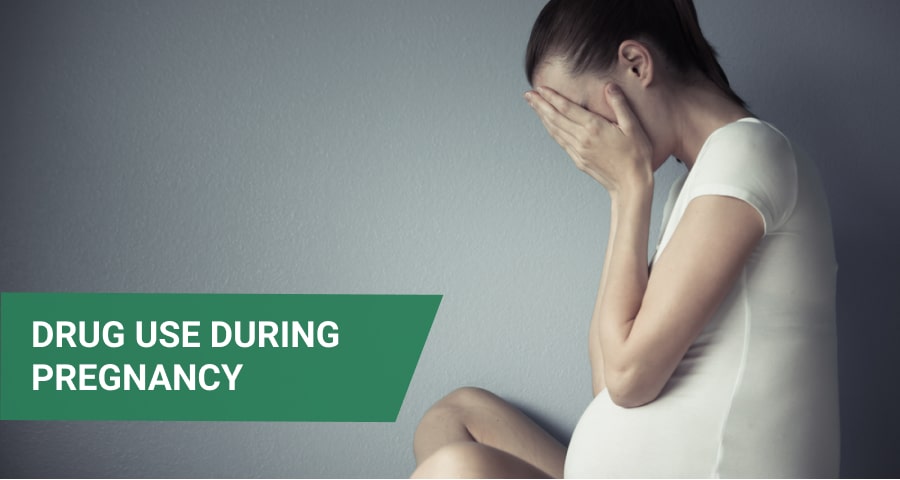
Steps to Sobriety During Pregnancy: Protecting Your Health and Your Baby

Pregnancy is a time of anticipation, hope, and preparation for a new life. For expecting parents struggling with addiction, it can also feel stressful, overwhelming, and isolating. The good news is that recovery is possible, even before your baby arrives. Taking steps toward sobriety during pregnancy protects your health, supports your baby’s development, and helps you enter parenthood with confidence and clarity. With the right guidance and support, lasting recovery can start today.

Why Sobriety During Pregnancy Matters

Substance use during pregnancy can have serious consequences, including premature birth, low birth weight, and developmental challenges. Beyond physical health, addiction can impact emotional and mental wellbeing, making it harder to bond with your baby and navigate the challenges of parenthood. Early intervention allows you to establish healthy habits, reduce stress, and create a stable environment for both you and your child.

Achieving sobriety during pregnancy is not just about abstaining from substances. It is about building a foundation of health, self-care, and support that will carry you into parenthood with strength and resilience.

Assessing Your Needs and Creating a Plan

Every person’s journey with addiction is unique, and pregnancy adds additional considerations. Understanding your individual needs helps guide your path to recovery. Reflect on these questions:

  • What substances are affecting my health and wellbeing?

  • Do I have co-occurring mental health concerns such as anxiety or depression?

  • What level of support is available from family, friends, or professionals?

  • Do I require structured care, or can I benefit from flexible outpatient treatment?

Working with a qualified healthcare provider or addiction specialist ensures that your plan is tailored to your circumstances and goals.

Treatment Options for Expecting Parents

Inpatient Programs for Comprehensive Support

Inpatient recovery programs provide a structured, safe environment with 24-hour medical monitoring and therapy. This level of care is particularly beneficial during pregnancy, ensuring that both you and your baby are supported while you focus fully on recovery.

Outpatient Programs for Flexibility

Outpatient programs offer therapy, counseling, and medical supervision while allowing you to remain at home. This option is ideal for individuals with stable support systems who prefer a flexible treatment plan that integrates with daily life and prenatal care.

Holistic and Faith-Based Approaches

Holistic recovery addresses the mind, body, and spirit. Practices such as mindfulness, yoga, meditation, and nutrition counseling help improve emotional balance and overall wellbeing. Faith-based programs provide spiritual guidance and community support, which can be a source of strength and motivation throughout the recovery journey.

Individualized Therapy Plans

Personalized therapy recognizes that each person’s recovery path is unique. Approaches such as cognitive behavioral therapy, trauma-informed care, and one-on-one counseling help identify triggers, develop coping strategies, and address underlying causes of addiction. Individualized care improves the likelihood of successful, lasting recovery.

Building a Strong Support Network

Recovery is more effective when you have a strong support system. Family, friends, healthcare providers, and peer support groups provide encouragement, accountability, and practical assistance. Engaging with others who are navigating similar challenges can reduce feelings of isolation and reinforce your commitment to sobriety.

Practical Steps to Stay on Track

  • Establish a consistent daily routine that prioritizes sleep, nutrition, and self-care.

  • Identify triggers and make a plan to avoid or manage them.

  • Practice stress reduction techniques such as deep breathing, meditation, or journaling.

  • Keep all prenatal and recovery appointments.

  • Celebrate progress and milestones to maintain motivation and confidence.

Taking the First Step Toward Health and Healing

Choosing sobriety during pregnancy is an act of courage, self-care, and love. Early intervention provides access to professional guidance, individualized care, and supportive networks that increase your chances of lasting recovery.

If you are ready to take the next step, reach out to a trusted recovery center today. Every moment matters, and the steps you take now create a safer, healthier, and stronger beginning for both you and your baby.

Beating Addiction Before Baby: A Compassionate Guide for Expecting Parents

Pregnancy is a time of hope, excitement, and planning for the future. For expecting parents facing addiction, it can also bring fear, stress, and uncertainty. The decision to seek help and start recovery before your baby arrives is one of the most important steps you can take for your health and your child’s wellbeing. With the right support and resources, it is possible to navigate this journey safely, build healthy habits, and enter parenthood with clarity and confidence.

Understanding the Importance of Early Recovery

Substance use during pregnancy can have serious consequences, including low birth weight, premature birth, and developmental challenges for your baby. Early intervention, however, provides an opportunity to minimize risks and focus on long-term wellbeing. Recovery before birth also supports mental and emotional health, helping you develop coping strategies, manage stress, and create a nurturing environment for your child.

Identifying Your Needs and Setting Goals

Every journey with addiction is unique, and pregnancy adds an extra layer of consideration. Reflecting on your individual needs helps determine the most effective path to recovery. Consider:

  • What substances are affecting my health?

  • Are there underlying mental health concerns such as anxiety or depression?

  • What support systems are available from family, friends, or professionals?

  • Do I require structured care or flexible treatment options?

Answering these questions with a trusted healthcare provider or addiction specialist will help you create a tailored plan that addresses both physical and emotional wellbeing.

Treatment Options for Expecting Parents

Inpatient Care for Comprehensive Support

Inpatient programs provide 24-hour medical and therapeutic support, offering a safe and structured environment. This level of care is especially beneficial during pregnancy, ensuring your health and your baby’s wellbeing are closely monitored while you focus fully on recovery.

Outpatient Programs for Flexibility

Outpatient programs allow you to receive counseling, therapy, and medical support while living at home. This option works well if you have a stable support network and prefer a treatment plan that integrates with daily life. Outpatient care often includes individual and group therapy sessions as well as mental health support.

Holistic and Faith-Based Approaches

Holistic approaches address the mind, body, and spirit. Practices such as mindfulness, yoga, meditation, and nutrition counseling can support emotional balance and physical health. Faith-based programs offer spiritual guidance and community connection, providing an additional layer of motivation and hope during recovery.

Individualized Therapy Plans

Recovery is most effective when tailored to your personal circumstances. Individualized therapy may include cognitive behavioral therapy, trauma-informed care, and one-on-one counseling. Personalized approaches help identify triggers, address underlying causes of addiction, and teach coping skills for a successful transition to parenthood.

Building a Strong Support Network

No one has to navigate recovery alone. Trusted family, friends, and professionals provide encouragement, accountability, and practical support. Peer support groups or counseling communities for expecting parents in recovery can reduce isolation, reinforce positive habits, and help you stay focused on your goals.

Practical Steps to Maintain Sobriety

  • Establish a daily routine that prioritizes nutrition, sleep, and self-care.

  • Avoid triggers and environments associated with substance use.

  • Practice stress reduction techniques such as deep breathing, meditation, or journaling.

  • Keep all prenatal and recovery-related appointments.

  • Celebrate small victories to maintain motivation and reinforce progress.

Taking the Next Step

Recovery before your baby arrives is an act of courage and self-care. Early intervention, combined with professional guidance and supportive networks, increases your chances of lasting success. If you are ready to take the next step, reach out to a trusted addiction recovery center today. Every day matters, and the steps you take now set the foundation for a healthier, stronger start for both you and your baby.

Why Getting Help Now Matters: Health, Healing, and Support Systems for Pregnant Women in Recovery

Pregnancy is a time of profound change, hope, and preparation. For women struggling with addiction, it can also bring anxiety, uncertainty, and fear. The truth is that seeking help as early as possible is one of the most important steps you can take for your health and your baby’s wellbeing. Early intervention provides access to professional care, emotional support, and evidence-based strategies that set the stage for lasting recovery and a healthier pregnancy.

The Importance of Early Recovery During Pregnancy

Taking action early in pregnancy has significant benefits. Substance use during pregnancy can lead to complications such as preterm birth, low birth weight, and developmental challenges. Early recovery not only protects your baby but also improves your physical, emotional, and mental health. It allows you to develop healthy routines, learn coping strategies, and build a strong foundation for parenthood. The sooner help is sought, the better the outcomes for both mother and child.

Understanding Your Unique Needs

Every woman’s journey with addiction is different, and pregnancy adds unique considerations. Understanding your individual needs helps ensure that the right care is provided. Consider these factors:

  • What substances are currently affecting your health?

  • Are there co-occurring mental health concerns, such as depression, anxiety, or trauma?

  • Do you have a support system of family, friends, or professionals?

  • What level of structure or supervision is necessary for safe recovery?

Answering these questions with the guidance of a healthcare provider or addiction specialist allows you to create a personalized plan that addresses both your physical and emotional wellbeing.

Evidence-Based Treatment Options

Inpatient Care for Comprehensive Support

Inpatient programs offer structured, round-the-clock care that ensures medical monitoring, therapy, and mental health support are consistently available. This environment can be especially important during pregnancy, providing both safety and focus while navigating recovery.

Outpatient Programs for Flexibility and Integration

Outpatient care allows women to receive counseling, therapy, and medical support while remaining at home. This option works well for those with stable environments and supportive networks, enabling recovery to fit alongside daily life and prenatal care appointments.

Holistic Approaches to Whole-Person Healing

Holistic programs focus on treating the body, mind, and spirit. Mindfulness practices, yoga, meditation, and nutrition guidance can enhance overall wellbeing and emotional balance during pregnancy. These approaches complement traditional therapies and help build resilience for the challenges of recovery.

Faith-Based Support Systems

Faith-based programs provide spiritual guidance, community connection, and encouragement. They can offer an additional layer of hope and motivation while working alongside clinical treatment. For many women, integrating faith-based support into recovery strengthens their sense of purpose and commitment.

Building a Strong Support Network

Recovery is more effective when supported by others. Trusted family, friends, counselors, and peer groups provide encouragement, accountability, and practical help. Support systems can reduce feelings of isolation, reinforce positive habits, and provide motivation during difficult moments. Engaging with other pregnant women in recovery or peer support communities can be especially powerful.

Practical Steps to Maintain Recovery During Pregnancy

  • Establish a consistent daily routine that prioritizes sleep, nutrition, and self-care.

  • Identify and avoid triggers that may lead to substance use.

  • Practice stress reduction techniques such as meditation, journaling, or breathing exercises.

  • Attend all prenatal and recovery-related appointments consistently.

  • Celebrate small achievements to maintain motivation and build confidence.

Taking the Next Step Toward Health and Healing

Seeking help now is an act of courage and love for yourself and your baby. Early intervention provides access to professional guidance, individualized care, and strong support networks that increase the likelihood of long-term recovery.

If you are ready to take the next step, reaching out to a trusted recovery center can provide the guidance and resources you need. Every day matters, and taking action today is the first step toward a healthier, safer, and more confident pregnancy.

From Struggle to Strength: Real‑World Support Options for Getting Clean Before Baby Arrives

Pregnancy can bring hope and motivation, even in the middle of addiction. For many expecting parents, the desire to protect their baby becomes a powerful reason to seek help. If you are struggling with substance use, you are not alone, and you are not beyond help. With the right support, it is possible to move from struggle to strength and begin recovery before your baby arrives. Understanding your options can help you take that first step with confidence and clarity.

Why Getting Clean Before Birth Matters

Choosing recovery during pregnancy supports both physical and emotional health. Substance use can increase the risk of complications such as premature birth, low birth weight, and ongoing developmental challenges. Just as important, addiction can affect mental health, relationships, and the ability to prepare for parenthood.

Starting recovery before birth allows you to focus on healing in a meaningful way. It creates space to build healthy routines, develop coping skills, and reduce stress. Most of all, it helps you enter parenthood with a clearer mind and a stronger sense of stability.

Understanding Your Support Needs

Recovery works best when care is matched to your unique situation. Every person’s experience with addiction is different, and pregnancy adds another important layer of care.

Before choosing a program, it can help to reflect on a few key questions:

  • What substances are currently affecting my health?

  • Do I have co-occurring mental health concerns such as anxiety or depression?

  • Do I feel safe and supported at home?

  • Would structured care help me stay focused on recovery?

Answering these questions with a qualified professional can guide you toward the right level of support.

Real-World Treatment Options That Make a Difference

Inpatient Recovery Programs

Inpatient treatment provides a structured environment with medical and clinical support available at all times. This level of care can be especially helpful during pregnancy, when safety and consistency matter. Inpatient programs often include therapy, medical monitoring, and mental health treatment under one roof, allowing you to focus fully on recovery.

Outpatient Treatment and Flexible Care

Outpatient programs offer professional support while allowing you to continue living at home. This option works well for individuals who have a stable environment and strong support system. Outpatient care often includes individual counseling, group therapy, and mental health services that fit into your daily schedule.

Integrated Mental Health Treatment

Addiction and mental health are closely connected. Many people who struggle with substance use also face depression, trauma, or anxiety. Effective recovery programs address both at the same time. Treating mental health concerns alongside addiction reduces relapse risk and supports long-term healing.

Holistic and Faith-Based Healing Approaches

Whole-Person Care

Holistic recovery focuses on healing the body, mind, and spirit. Practices such as mindfulness, nutrition support, gentle movement, and stress management help regulate emotions and improve overall wellbeing. These approaches can be especially beneficial during pregnancy, when emotional balance and physical health are closely linked.

Faith-Based Support and Spiritual Growth

For some, faith-based recovery offers a deeper sense of purpose and hope. Spiritual guidance, prayer, and community connection can provide comfort and strength during difficult moments. Faith-based care does not replace clinical treatment, but it can be a meaningful complement that supports personal values and long-term recovery.

Building a Support System That Lasts

Recovery is not something you have to face alone. Support from family, peers, and professionals plays a vital role in success. Support groups, counseling sessions, and recovery communities provide encouragement and accountability. Connecting with others who understand your experience can ease feelings of isolation and reinforce your commitment to change.

Practical Steps to Stay on Track During Pregnancy

  • Keep regular medical and prenatal appointments.

  • Create daily routines that support sleep, nutrition, and emotional balance.

  • Identify triggers and make a plan to avoid or manage them.

  • Ask for help when stress feels overwhelming.

  • Acknowledge progress, even small victories.

Choosing Strength for Yourself and Your Baby

Moving from addiction to recovery before your baby arrives is an act of courage. It is also an investment in your future and your child’s wellbeing. With compassionate care, individualized treatment, and the right support, lasting recovery is possible.

If you are ready to explore your options, reaching out to a trusted addiction recovery provider can help you take the next step. Help is available, and your journey from struggle to strength can begin today.

Preparing for Parenthood With a Clear Mind: Steps to Beat Addiction Before Your Baby Comes

Becoming a parent is a profound life transition filled with hope, excitement, and responsibility. For expecting parents struggling with addiction, it can also feel overwhelming and stressful. Choosing to address substance use before your baby arrives is one of the most important steps you can take for your health and your child’s wellbeing. Recovery is not only possible, it is an opportunity to create a safe, nurturing environment and to start parenthood with clarity, strength, and confidence.

Understanding the Importance of Early Recovery

Taking action before birth is crucial. Substance use during pregnancy can lead to complications such as preterm birth, low birth weight, and developmental challenges. Beyond physical health, early recovery supports your mental and emotional wellbeing, reduces stress, and helps you develop healthy coping mechanisms that will benefit you throughout parenthood. Starting recovery now is a gift to yourself and your baby.

Assessing Your Needs and Setting Goals

Every individual’s journey with addiction is unique. Understanding your specific needs is the first step toward effective treatment. Ask yourself:

  • What substances are impacting my health?

  • Do I have underlying mental health challenges such as anxiety or depression?

  • What level of support is available from family, friends, or professionals?

  • Am I ready to commit to a structured recovery plan?

Answering these questions with the guidance of a healthcare provider or addiction specialist helps create a personalized recovery plan tailored to your circumstances.

Exploring Treatment Options

Inpatient and Outpatient Programs

Inpatient programs provide a structured environment and 24-hour medical support, which can be particularly valuable during pregnancy. Outpatient programs allow flexibility, enabling you to attend therapy, counseling, and support sessions while remaining at home. Both options are effective, and the right choice depends on your health, personal needs, and available support network.

Holistic and Faith-Based Approaches

Holistic recovery addresses the mind, body, and spirit. Mindfulness, meditation, yoga, and nutrition counseling can improve emotional resilience and overall wellbeing. Faith-based programs offer spiritual guidance, community support, and a sense of purpose, which can provide strength and hope during the recovery journey.

Individualized Therapy Plans

Personalized therapy recognizes that recovery is not a one-size-fits-all process. Approaches such as cognitive behavioral therapy, trauma-informed care, and one-on-one counseling help identify triggers, address underlying causes of addiction, and develop sustainable coping strategies. Tailoring therapy to your needs increases the likelihood of long-term success.

Building a Strong Support Network

Recovery is more effective when you are not alone. Surround yourself with supportive friends, family, and professionals who understand your goals. Peer support groups, mentorship programs, and counseling sessions provide encouragement, accountability, and a safe space to share experiences. Connecting with others who have faced similar challenges can reduce feelings of isolation and reinforce your commitment to recovery.

Practical Steps to Maintain Sobriety During Pregnancy

  • Establish daily routines that prioritize self-care, sleep, and nutrition.

  • Avoid triggers such as environments or individuals associated with substance use.

  • Practice stress reduction techniques including deep breathing, meditation, or gentle exercise.

  • Attend regular medical appointments to monitor your health and your baby’s development.

  • Celebrate progress with small milestones to reinforce your motivation.

Moving Forward With Confidence

Preparing for parenthood with a clear mind is an act of courage and love. Seeking professional guidance from addiction specialists and mental health providers ensures you receive safe, effective, and individualized care. Recovery before your baby arrives lays the foundation for a healthy start and a more confident transition into parenthood.

If you are ready to take the next step toward sobriety and wellbeing, reach out to a trusted recovery center today. Your commitment to healing is the first step in providing a safe and nurturing environment for yourself and your baby.

Breaking Free Before Birth: Hope-Focused Strategies for Overcoming Addiction During Pregnancy

Pregnancy is a time of change, anticipation, and hope. For expecting parents struggling with addiction, it can also feel overwhelming and uncertain. The good news is that recovery is possible, even before your baby arrives. Taking steps toward healing now not only improves your health but also creates a strong foundation for your child’s wellbeing. This guide offers practical, hope-focused strategies for overcoming addiction during pregnancy while emphasizing compassion, support, and individualized care.

Why Early Recovery Matters

Starting recovery during pregnancy is critical for both the parent and the baby. Substance use can lead to complications such as low birth weight, preterm delivery, and developmental challenges. Early intervention is not just about stopping substance use. It is about establishing a safe, nurturing environment that supports your physical, emotional, and mental health. Recovery during pregnancy allows you to develop healthy coping skills, reduce stress, and prepare for parenthood with confidence.

Understanding Your Recovery Needs

Every person’s journey with addiction is unique. Understanding your personal challenges is the first step toward effective treatment. Consider the following:

  • What substances are affecting my wellbeing?

  • How severe is my dependence?

  • Do I have mental health concerns that need attention?

  • What support systems are available to me?

Answering these questions with a healthcare provider or addiction specialist helps create a tailored plan that addresses both addiction and mental health in a holistic way.

Treatment Options for Expecting Parents

Inpatient and Outpatient Care

Inpatient programs provide structured care and 24-hour medical support, which can be essential for managing withdrawal and monitoring both parent and baby. Outpatient programs offer flexibility, allowing you to receive therapy, counseling, and support while remaining at home. Both approaches are effective, and the right choice depends on your health, lifestyle, and level of support.

Holistic and Faith-Based Approaches

Holistic recovery methods address the mind, body, and spirit. Practices like mindfulness, yoga, meditation, and nutrition counseling can improve mental and physical wellbeing. Faith-based programs offer spiritual guidance, community support, and a sense of purpose that can strengthen resilience and hope during recovery.

Personalized Therapy Plans

Customized therapy recognizes that each individual faces unique challenges. Cognitive behavioral therapy, trauma-informed care, and other individualized approaches help you identify triggers, develop healthy coping strategies, and work through underlying causes of addiction. Personalized care ensures that your recovery plan is tailored to your specific needs and life circumstances.

Building a Supportive Network

Recovery is most successful when you are not alone. Surround yourself with trusted friends, family, and professionals who understand your goals. Support groups, mentorship programs, and counseling sessions provide encouragement, accountability, and a safe space to share experiences. Connecting with others who face similar challenges can reduce isolation and strengthen your motivation to stay on track.

Practical Steps to Maintain Sobriety During Pregnancy

  • Establish a daily routine that prioritizes self-care, sleep, and nutrition.

  • Avoid environments and people that trigger substance use.

  • Practice stress management techniques such as deep breathing or meditation.

  • Attend all medical appointments to monitor your health and your baby’s development.

  • Celebrate small victories to reinforce progress and maintain motivation.

Moving Forward With Confidence

Breaking free from addiction before birth is a courageous and life-changing decision. The sooner you seek help, the greater the benefits for both you and your baby. Professional guidance from addiction specialists and mental health providers ensures you receive safe, effective, and personalized care.

If you are ready to begin your recovery journey, reach out to a trusted treatment center today. Taking that first step is an act of hope, courage, and love for both yourself and the new life you are preparing to welcome.

How to Start Your Recovery Before Baby: A Compassionate Guide for Expecting Parents

Bringing a new life into the world is one of the most exciting and transformative experiences a person can have. For expecting parents struggling with addiction, it can also feel overwhelming and isolating. The good news is that recovery is possible, even before your baby arrives. Taking steps toward healing now not only protects your health but also sets a foundation for your child’s wellbeing. This guide offers compassionate, practical strategies to help expecting parents begin their journey toward sobriety with confidence and support.

Understanding the Importance of Early Recovery

Pregnancy is a critical time for both the parent and the developing baby. Substance use during this period can lead to complications such as preterm birth, low birth weight, and developmental challenges. Starting recovery before birth is not just about abstaining from substances; it is about creating a safe, nurturing environment that supports your physical, emotional, and mental health. Early recovery also empowers you to form healthy coping mechanisms that will carry over into parenthood.

Identifying Your Personal Recovery Needs

Recovery is not one-size-fits-all. Every individual faces unique challenges, and recognizing your specific needs is the first step toward effective treatment. Consider these questions:

  • What substances are affecting my health and wellbeing?

  • How severe is my dependency?

  • Do I have a support system I can rely on?

  • Are there co-occurring mental health issues such as anxiety or depression?

Answering these questions will help you and your healthcare provider create a tailored plan that addresses both addiction and mental health in a holistic way.

Exploring Treatment Options

Inpatient and Outpatient Care

Inpatient programs provide round-the-clock medical support and structured therapy, which can be especially beneficial during pregnancy. Outpatient programs offer flexibility, allowing you to attend counseling sessions and therapy while remaining at home. Both options are effective, and the right choice depends on your personal circumstances and support network.

Holistic and Faith-Based Approaches

Many expecting parents benefit from holistic treatments that address the body, mind, and spirit. Techniques such as mindfulness, yoga, meditation, and nutrition counseling can complement traditional therapies. Faith-based programs provide spiritual guidance and community support, which can be a source of strength during the recovery journey.

Individualized Therapy Plans

Personalized therapy recognizes that each person’s path to recovery is unique. From cognitive behavioral therapy to trauma-informed care, customized plans help you build coping strategies, address underlying causes of addiction, and strengthen your resilience before your baby arrives.

Building a Support Network

Recovery is not a journey you need to take alone. Surround yourself with trusted friends, family, and professionals who understand your goals. Peer support groups, counseling sessions, and mentorship programs can provide encouragement and accountability. Sharing your experiences with others who are going through similar challenges can reduce feelings of isolation and increase your chances of long-term success.

Practical Tips for Maintaining Sobriety During Pregnancy

  • Establish daily routines that prioritize self-care, sleep, and nutrition.

  • Avoid environments and triggers that encourage substance use.

  • Practice stress reduction techniques such as deep breathing or guided meditation.

  • Keep regular medical appointments to monitor your health and your baby’s development.

  • Celebrate small milestones to reinforce your progress and motivation.

Taking the Next Step

Recovery before birth is a courageous and life-affirming decision. The sooner you seek help, the greater the benefits for both you and your baby. Professional guidance from addiction specialists and mental health providers ensures you receive the safest, most effective care tailored to your needs.

If you are ready to begin your journey toward a healthy, substance-free pregnancy, reach out to a trusted recovery center today. Taking that first step is an act of love for yourself and the life you are bringing into the world.

Pregnant and Seeking Recovery: A Compassionate Guide to Beating Addiction Early

Pregnancy is a life-changing experience, filled with hope, anticipation, and the promise of new beginnings. For expectant parents struggling with addiction, it can also bring fear, guilt, and uncertainty. If substance use is part of your life, seeking recovery now is one of the most important steps you can take for both yourself and your baby. Early intervention can reduce risks, promote health, and lay the foundation for a stable and nurturing family environment.

At AskBabyNames, we understand that addiction is a complex condition, not a personal failing. Our compassionate, individualized approach combines professional addiction recovery services, mental health treatment, and holistic care to help expectant parents regain control, build resilience, and prepare for a healthier future.

Understanding Addiction During Pregnancy

Addiction affects physical health, emotional wellbeing, and family dynamics. During pregnancy, substance use can increase the risk of premature birth, low birth weight, developmental challenges, and neonatal withdrawal. Recognizing the effects of addiction is the first step toward making positive changes for yourself and your baby.

Recovery is more than abstaining from substances. It involves addressing emotional health, building coping skills, and creating a safe and supportive environment for your growing child.

Steps to Begin Recovery During Pregnancy

Seek Professional Addiction Treatment

Professional guidance is crucial for safe and effective recovery. AskBabyNames offers inpatient and outpatient programs tailored to the unique needs of expectant parents. Inpatient care provides structured support, medical monitoring, and 24-hour supervision, while outpatient programs allow flexibility for those balancing home, work, or family responsibilities. Both programs emphasize long-term recovery, relapse prevention, and personalized treatment planning.

Address Mental Health Needs

Addiction often coexists with mental health challenges such as anxiety, depression, or past trauma. Integrated mental health treatment is essential for sustainable recovery. Our licensed counselors provide therapy, coping strategies, and emotional support to help expectant parents manage stress and strengthen their emotional resilience.

Embrace Holistic and Faith-Based Approaches

Recovery is most effective when it addresses the whole person. Holistic therapies, including mindfulness, yoga, meditation, and nutritional counseling, support physical, emotional, and spiritual wellbeing. Faith-based programs offer guidance, hope, and purpose for those seeking spiritual connection during recovery. These approaches can reduce stress, promote self-awareness, and enhance overall healing.

Build a Strong Support Network

Recovery is easier with support. Family, friends, counselors, and peer groups provide encouragement, accountability, and understanding. Surrounding yourself with supportive individuals strengthens your commitment to recovery and helps create a nurturing environment for your baby.

Develop a Personalized Recovery Plan

Every recovery journey is unique. A personalized plan ensures that care meets your specific needs, health considerations, and stage of pregnancy. Plans may include therapy sessions, medical monitoring, nutritional guidance, relapse prevention strategies, and parenting preparation. Tailored treatment increases the likelihood of sustained recovery and a safer, healthier start for your family.

Preparing for a Healthy Pregnancy and Family Life

Taking steps toward recovery before your baby arrives helps you build emotional stability, develop healthy routines, and cultivate a positive environment. Early intervention not only improves your health but also strengthens your ability to provide a safe, nurturing, and loving space for your child.

Conclusion

Seeking recovery during pregnancy is a courageous choice that can transform your life and your family’s future. At AskBabyNames, we provide compassionate, professional care that addresses addiction, mental health, and holistic wellbeing.

If you are pregnant and ready to take the first step toward recovery, reach out today. With the right support, guidance, and treatment, you can overcome addiction, protect your baby’s health, and create a foundation for a brighter, healthier future.

Before Baby Comes: How Addiction Recovery Can Change Your Family’s Future

Pregnancy often brings hope, excitement, and the promise of a new chapter. For individuals and families affected by addiction, it can also bring fear, guilt, and uncertainty. If substance use is part of your life right now, choosing recovery before your baby arrives can change the direction of your family’s future in powerful ways. Healing is possible, and taking action today can create safety, stability, and long-term wellbeing for both you and your child.

At AskBabyNames, we approach addiction recovery with compassion and understanding. Addiction is not a personal failure. It is a health condition that deserves professional care, emotional support, and individualized treatment. With the right guidance, expectant parents can begin recovery and prepare for a healthier, more secure family life.

Why Addiction Recovery Before Birth Matters

Substance use during pregnancy can affect physical health, emotional wellbeing, and family stability. Risks may include premature birth, low birth weight, and challenges in early development. Beyond pregnancy, untreated addiction can strain relationships and make parenting more difficult.

Recovery before your baby arrives provides time to heal, build healthy routines, and develop the coping skills needed for parenthood. It also reduces stress and increases your ability to be present, emotionally available, and consistent as a parent.

Building a Foundation Through Professional Treatment

Inpatient and Outpatient Recovery Options

Every recovery journey is different. Some expectant parents benefit from inpatient treatment that offers structured support, medical monitoring, and a safe environment free from triggers. Others find success through outpatient programs that allow them to remain at home while receiving counseling and professional guidance.

At AskBabyNames, both inpatient and outpatient care focus on long-term recovery, relapse prevention, and family stability. Treatment plans are customized to meet your needs, health considerations, and stage of pregnancy.

Integrated Mental Health Treatment

Addiction often coexists with anxiety, depression, or unresolved trauma. Addressing mental health is essential for lasting recovery. Through individualized counseling and evidence-based therapies, expectant parents can process emotional challenges, develop healthy coping strategies, and reduce the risk of relapse.

Mental health treatment helps create emotional balance, which supports both recovery and parenting readiness.

Healing the Whole Person Through Holistic and Faith-Based Care

Recovery is most effective when it addresses the whole person. Holistic approaches such as mindfulness, stress management, nutritional support, and gentle movement can improve emotional and physical wellbeing. These practices help reduce cravings, regulate emotions, and promote self-awareness during pregnancy.

For those who value spirituality, faith-based care can offer strength, hope, and purpose. Connecting with personal beliefs often helps individuals rebuild trust in themselves and find motivation to continue healing.

Preparing for Parenthood With Confidence

Recovery before your baby arrives allows time to build a stable routine, strengthen relationships, and develop parenting skills. Support networks, therapy, and education help expectant parents feel prepared and confident as they approach birth.

This period of preparation is not about perfection. It is about progress, consistency, and learning how to ask for help when it is needed.

How Recovery Changes a Family’s Future

Choosing recovery impacts more than the present moment. It shapes the emotional environment your child grows up in. A parent in recovery is more likely to offer stability, emotional connection, and a sense of safety.

Recovery also breaks cycles of addiction, offering children a future grounded in health, trust, and resilience. The decision to seek help today can influence generations to come.

Conclusion

Before your baby comes, you have the opportunity to choose healing and hope. Addiction recovery can transform not only your life but your family’s future. At AskBabyNames, compassionate professionals provide individualized addiction recovery services, mental health treatment, and holistic care designed to support expectant parents every step of the way.

If you or someone you love is preparing for parenthood while facing addiction, now is the time to reach out. Support is available, and recovery is possible. Taking the first step today can lead to a healthier tomorrow for you and your child.

Breaking Free: How Expecting Parents Can Overcome Addiction Before Birth

Pregnancy is a transformative time, filled with excitement, anticipation, and hope. It is also a period that calls for making health-conscious choices, not just for yourself but for the life growing inside you. For expecting parents struggling with addiction, the stakes are even higher. Substance use, whether it involves alcohol, prescription drugs, or other addictive behaviors, can have serious consequences for both the parent and the baby. Recognizing the problem and taking proactive steps toward recovery is critical. The journey to breaking free from addiction before birth is not easy, but with the right support, it is entirely possible.

Understanding the Risks of Addiction During Pregnancy

Substance use during pregnancy can lead to a range of complications, including premature birth, low birth weight, developmental delays, and neonatal abstinence syndrome. Beyond physical risks, addiction can impact emotional well-being, relationships, and the ability to provide a stable environment for your child.

Addiction is not a moral failing—it is a medical condition that affects brain chemistry and behavior. Understanding this distinction is important for parents seeking help, as it fosters self-compassion and reduces shame, which are essential for recovery.

Recognizing the Signs That Help Is Needed

Addiction can manifest in various ways, including:

  • An inability to control substance use despite negative consequences

  • Preoccupation with obtaining or using substances

  • Withdrawal symptoms or intense cravings when not using

  • Neglecting responsibilities or social connections

  • Emotional distress, anxiety, or depression related to use

Acknowledging these signs is the first step in breaking the cycle and protecting both your health and your baby’s well-being.

Practical Steps to Overcome Addiction Before Birth

Recovery is a journey that involves intentional action, professional support, and lifestyle adjustments.

1. Seek Professional Guidance

Healthcare providers, including obstetricians and addiction specialists, can help create a safe and personalized recovery plan. Medical supervision is especially important during pregnancy to manage withdrawal safely and monitor the baby’s health.

2. Access Specialized Treatment Programs

Arcade Jerks offers inpatient and outpatient addiction recovery services tailored to individual needs. Therapy, counseling, and holistic approaches address the root causes of addiction while providing strategies to maintain sobriety.

3. Build a Support Network

Support from family, friends, and recovery groups can provide accountability and encouragement. Surrounding yourself with compassionate individuals increases the likelihood of sustained recovery.

4. Implement Healthy Coping Mechanisms

Pregnancy can bring stress, anxiety, and mood fluctuations. Developing alternative coping strategies, such as mindfulness, exercise, journaling, or creative outlets, helps reduce reliance on addictive substances.

5. Embrace Holistic and Faith-Based Healing

Holistic methods, including nutrition, mindfulness, and physical wellness, complement therapy and support overall mental health. Faith-based support is also available for those seeking spiritual guidance during recovery.

Taking the First Step Toward a Healthy Future

Overcoming addiction before the arrival of your baby is a courageous and life-changing decision. While challenges may arise, the benefits for both parent and child are profound, fostering healthier pregnancies, stronger emotional bonds, and a foundation for a brighter future.

At Arcade Jerks, compassionate professionals provide individualized care that combines evidence-based therapy, holistic approaches, and faith-centered support. Recovery is achievable with guidance, structured programs, and a supportive community. If you or a loved one is facing addiction during pregnancy, reach out today. Every step you take toward breaking free is a step toward a healthier, safer, and more fulfilling life for both you and your baby.