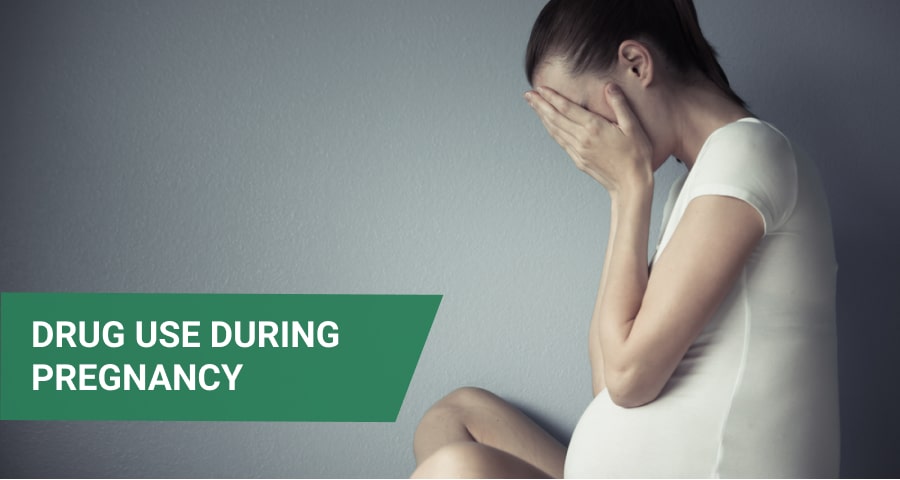
 Pregnancy can be a time of powerful change, reflection, and new beginnings. For expecting parents struggling with addiction, it can also bring fear, confusion, and urgency. The important truth is that healing can begin now. Starting addiction recovery during pregnancy is both safe and effective when guided by compassionate, professional care. With the right treatment and support, you can protect your health, support your baby’s development, and begin building a more stable future.
Why Starting Recovery During Pregnancy Matters
Beginning recovery during pregnancy is one of the most impactful decisions an expecting parent can make. Substance use during pregnancy can increase risks such as preterm birth, low birth weight, and complications in fetal development. However, early intervention significantly improves outcomes for both parent and baby.
Recovery is not only about physical safety. It also supports emotional wellbeing. Many individuals facing addiction during pregnancy experience anxiety, stress, or depression. When treatment begins early, it becomes easier to stabilize emotions, improve decision-making, and create a healthier environment for both pregnancy and parenthood.
Healing before birth is an opportunity to reset, rebuild, and move forward with intention.
Understanding Your Personal Recovery Needs
Every recovery journey is unique. Pregnancy adds an additional layer of care that should always be addressed with individualized support. Before beginning treatment, it helps to consider:
- What substances are currently affecting your health and daily life
- Whether mental health concerns such as trauma, anxiety, or depression are present
- The level of support available from family or friends
- Whether structured inpatient care or flexible outpatient treatment is the best fit
A personalized treatment plan ensures your physical safety and emotional needs are both prioritized throughout recovery.
Safe and Effective Treatment Options for Expecting Parents
Inpatient Care for Structured Healing
Inpatient treatment provides 24 hour medical supervision and a structured environment focused entirely on recovery. This option is often recommended when more intensive support is needed. It ensures both maternal health and fetal wellbeing are closely monitored while providing access to therapy, counseling, and medical care.
Outpatient Programs for Flexible Support
Outpatient treatment allows individuals to receive therapy and addiction care while continuing to live at home. This approach works well for those with a stable and supportive environment. It also allows expecting parents to attend prenatal appointments while staying engaged in consistent recovery care.
Integrated Mental Health Treatment
Addiction often exists alongside mental health conditions such as anxiety, depression, or trauma. Treating both together leads to stronger, more sustainable recovery outcomes. Integrated care helps address underlying emotional challenges that may contribute to substance use, reducing relapse risk and improving long term wellbeing.
Holistic and Faith Based Recovery Support
Whole Person Healing
Holistic recovery focuses on healing the mind, body, and spirit together. Approaches such as mindfulness, meditation, gentle movement, and nutritional support can help regulate stress and improve emotional balance. These tools are especially helpful during pregnancy when maintaining stability is essential.
Faith Based Encouragement and Strength
Faith based programs provide spiritual support, guidance, and a sense of community. Many expecting parents find that spiritual practices offer comfort, motivation, and hope during recovery. When combined with clinical treatment, faith based support can strengthen resilience and reinforce long term healing.
Building a Strong Support System
Recovery is not something that has to be done alone. Support systems play a vital role in maintaining progress and emotional stability. Family, friends, healthcare providers, and peer groups can all provide encouragement and accountability.
Peer support groups for expecting parents in recovery can be especially powerful. They offer shared understanding, reduce isolation, and create a safe space to talk about challenges and victories.
Practical Steps to Begin Recovery During Pregnancy
- Establish a daily routine that includes rest, nutrition, and structure
- Identify triggers and create strategies to manage or avoid them
- Practice stress reduction techniques such as deep breathing or journaling
- Stay consistent with prenatal care and recovery appointments
- Set small, achievable goals and celebrate progress along the way
These simple but consistent actions help build stability and momentum in recovery.
Moving Toward Healing and Hope
Healing before birth is not just possible, it is a powerful step toward a healthier future for both parent and child. Early recovery provides the opportunity to restore balance, build resilience, and prepare for parenthood with confidence.
If you or someone you love is ready to begin this journey, professional addiction recovery support is available. Compassionate treatment programs offer individualized care, mental health services, and holistic approaches designed to meet you where you are. Taking the first step today can open the door to healing, hope, and a stronger future for you and your baby.