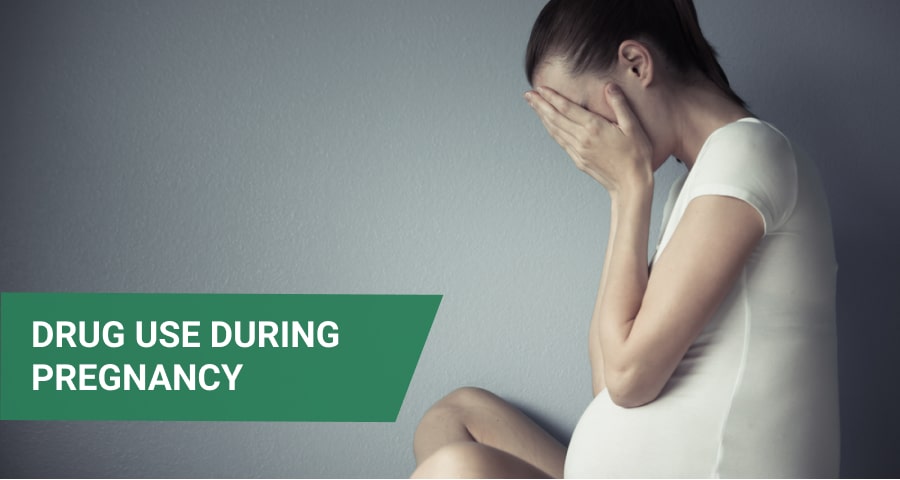
A Fresh Start for Two: How Expecting Parents Can Beat Addiction Before Birth

Pregnancy often inspires people to think differently about their health, relationships, and future. For expecting parents struggling with addiction, it can also become a powerful opportunity for change. Choosing to seek recovery before your baby arrives is one of the most important decisions you can make for both yourself and your child. While addiction can feel isolating and overwhelming, healing is possible with compassionate support, personalized care, and effective treatment. A fresh start for two begins with one step toward recovery.

Why Recovery Before Birth Matters

Substance use during pregnancy can affect both physical and emotional health. Risks such as premature birth, low birth weight, and developmental complications may increase when addiction goes untreated. However, beginning recovery early can improve outcomes for both parent and baby.

Recovery also creates emotional stability during an important life transition. Many expecting parents who enter treatment report feeling more hopeful, more connected to their pregnancy, and better prepared for the responsibilities of parenthood.

Seeking help before birth is not about judgment. It is about creating safety, stability, and long term wellness for your growing family.

Understanding Addiction During Pregnancy

Addiction is a complex condition that affects the brain, emotions, and behavior. It is not a lack of willpower or personal failure. Many people struggling with addiction also experience mental health conditions such as anxiety, depression, or unresolved trauma.

Pregnancy can intensify emotions and stress, making professional support especially important. Effective treatment addresses both substance use and the underlying emotional challenges that may contribute to it.

Personalized Treatment Options for Expecting Parents

Inpatient Treatment for Intensive Support

Inpatient treatment programs provide a structured environment with 24 hour care, medical supervision, and therapeutic support. This level of care can be especially helpful for individuals who need a safe space to focus entirely on healing.

Inpatient programs often include medical monitoring, counseling, mental health services, and relapse prevention planning to support recovery from every angle.

Outpatient Programs for Flexible Care

Outpatient treatment allows individuals to receive therapy and recovery support while continuing to live at home. This option may work well for expecting parents who have a stable environment and supportive relationships.

Outpatient programs provide flexibility while still offering access to counseling, peer support, and individualized treatment plans.

Integrated Mental Health Care

Mental health and addiction are closely connected. Treating conditions such as anxiety, depression, or trauma alongside substance use helps improve long term recovery outcomes. Integrated care focuses on emotional healing while helping individuals develop healthier coping skills and greater resilience.

Holistic and Faith Based Healing Approaches

Whole Person Recovery

Holistic treatment focuses on supporting the mind, body, and spirit together. Practices such as mindfulness, meditation, nutritional guidance, and gentle exercise can help reduce stress and improve emotional balance during pregnancy.

These approaches work alongside evidence based therapies to support overall wellness and long term recovery.

Faith Based Support and Encouragement

Faith based recovery programs provide spiritual guidance, emotional encouragement, and community support. Many expecting parents find strength and comfort in reconnecting with faith during recovery.

Combining spiritual support with professional treatment can help individuals feel more grounded and motivated throughout the healing process.

Building a Support System for Lasting Recovery

No one should face addiction alone. Recovery becomes more manageable when supported by trusted people and professional guidance. Family members, friends, healthcare providers, and peer support groups all play important roles in maintaining progress.

Peer groups for expecting parents in recovery can provide understanding, encouragement, and practical advice from others who share similar experiences. These connections help reduce feelings of shame and isolation while reinforcing positive change.

Practical Steps to Begin a Fresh Start

  • Reach out for professional support as early as possible
  • Attend all prenatal and recovery related appointments
  • Create healthy routines that support physical and emotional stability
  • Avoid triggers and environments connected to substance use
  • Practice stress management through mindfulness, journaling, or breathing exercises
  • Celebrate progress and focus on one step at a time

Recovery does not happen overnight, but consistent action creates lasting change.

A Healthier Future Starts Today

A fresh start for two is possible, no matter how difficult things may feel right now. Recovery before birth gives expecting parents the opportunity to improve their health, strengthen emotional wellbeing, and prepare for parenthood with greater confidence and stability.

If you or someone you love is struggling with addiction during pregnancy, compassionate help is available. Professional treatment programs offer individualized care, mental health support, inpatient and outpatient options, and holistic healing approaches designed to meet your unique needs. Taking the first step today can help create a healthier and more hopeful future for both you and your baby.

Breaking the Cycle Early: How Pregnancy Can Be a Turning Point for Addiction Recovery

Pregnancy has a way of changing priorities, perspectives, and future goals. For individuals struggling with addiction, it can become a powerful turning point toward healing and recovery. While addiction during pregnancy can feel overwhelming, it is important to remember that recovery is possible, and support is available. Taking steps toward sobriety before your baby arrives can protect your health, improve your emotional wellbeing, and create a stronger foundation for your growing family. Breaking the cycle early is not just about stopping substance use. It is about creating a healthier and more hopeful future for both parent and child.

Why Pregnancy Often Inspires Recovery

Pregnancy can motivate meaningful life changes. Many expecting parents begin thinking more seriously about long term health, emotional stability, and the kind of environment they want to create for their child. This period of reflection can become a powerful opportunity to seek help and commit to recovery.

Substance use during pregnancy may increase the risk of premature birth, low birth weight, and developmental complications. However, early intervention can greatly improve outcomes. The sooner recovery begins, the sooner the body and mind can begin healing.

Recovery during pregnancy also supports mental and emotional wellbeing. It allows expecting parents to reduce stress, improve daily routines, and develop healthier coping strategies that can continue long after the baby arrives.

Understanding the Connection Between Addiction and Mental Health

Addiction rarely exists on its own. Many individuals also experience anxiety, depression, trauma, or chronic stress. Pregnancy can intensify these emotions, especially when fear or guilt is involved.

Addressing mental health alongside addiction is essential for long term healing. Comprehensive treatment programs often include:

  • Individual therapy
  • Trauma informed counseling
  • Anxiety and depression support
  • Stress management strategies
  • Family or relationship counseling

Treating both addiction and mental health together helps create stronger and more sustainable recovery outcomes.

Effective Recovery Options for Expecting Parents

Inpatient Treatment Programs

Inpatient care provides structured treatment in a supportive environment with 24 hour supervision. This level of care may be recommended for individuals who need intensive support or medical monitoring during withdrawal and recovery.

Inpatient programs often combine therapy, mental health treatment, medical care, and relapse prevention planning into one comprehensive approach.

Outpatient Recovery Programs

Outpatient treatment offers flexibility while still providing consistent support. Individuals attend therapy sessions, counseling, and recovery programs while continuing to live at home. This option works well for those with stable living environments and supportive relationships.

Outpatient care allows expecting parents to continue prenatal care appointments and daily responsibilities while remaining actively engaged in treatment.

Holistic and Faith Based Healing Approaches

Whole Person Recovery

Holistic care focuses on healing the body, mind, and spirit together. Practices such as mindfulness, meditation, gentle exercise, and nutritional support can help improve emotional balance and reduce stress during pregnancy.

These approaches work alongside evidence based therapies to support long term wellness and recovery.

Faith Based Support and Encouragement

Faith based recovery programs provide spiritual guidance, encouragement, and community support. Many individuals find comfort and strength through faith centered counseling and spiritual practices during recovery.

Combining spiritual support with professional treatment can help reinforce motivation and create a stronger sense of purpose during the healing process.

Building a Support System That Encourages Change

Recovery is more successful when people feel supported. Family members, friends, healthcare professionals, and peer support groups all play important roles in helping expecting parents stay focused on their goals.

Peer support groups can be especially valuable because they connect individuals with others who understand the challenges of addiction and pregnancy firsthand. These supportive communities help reduce isolation and provide encouragement through every stage of recovery.

Practical Steps to Break the Cycle Early

  • Seek professional help as soon as possible
  • Attend all prenatal and recovery related appointments
  • Create healthy daily routines that support stability
  • Practice stress management through mindfulness or journaling
  • Avoid environments or situations connected to substance use
  • Celebrate progress and recognize small victories along the way

Each positive choice builds momentum toward lasting recovery.

A New Beginning Starts Today

Breaking the cycle of addiction during pregnancy is one of the most meaningful investments an expecting parent can make. Recovery creates opportunities for healing, growth, and a healthier future for both parent and child.

If you or someone you love is struggling with addiction during pregnancy, compassionate help is available. Professional recovery programs offer individualized treatment, mental health support, holistic healing approaches, and guidance tailored to your unique needs. Taking the first step today can open the door to hope, healing, and a stronger future for your growing family.

Expecting a Baby? Practical Steps to Overcome Addiction and Build a Healthier Future

Expecting a baby can bring hope, motivation, and a strong desire to create a better future. For parents struggling with addiction, it can also bring fear, stress, and uncertainty. The good news is that recovery is possible, and starting now can make a meaningful difference for both your health and your baby’s wellbeing. With the right support, practical steps, and compassionate care, you can begin overcoming addiction and building a healthier future during pregnancy.

Why Pregnancy Can Be a Turning Point for Recovery

Pregnancy often becomes a powerful moment of reflection. Many expecting parents feel a renewed sense of responsibility and motivation to make positive changes. This stage of life can serve as a natural turning point toward recovery.

Substance use during pregnancy is associated with risks such as preterm birth, low birth weight, and complications in fetal development. However, early recovery can significantly reduce these risks and improve outcomes for both parent and child.

Beyond physical health, recovery also strengthens emotional stability. It helps reduce anxiety, improve clarity, and support healthier decision-making during a time when stability matters most.

Understanding Your Personal Recovery Needs

Overcoming addiction is not a one-size-fits-all process. Pregnancy adds important medical and emotional considerations, which makes individualized care essential. Before beginning treatment, it is helpful to reflect on your situation.

Consider:

  • What substances are currently affecting your health
  • Whether mental health challenges such as depression, anxiety, or trauma are present
  • The level of support available in your home environment
  • Whether structured inpatient care or flexible outpatient treatment is more appropriate

A professional assessment can help create a safe and personalized recovery plan that meets both your physical and emotional needs.

Treatment Options That Support Recovery During Pregnancy

Inpatient Care for Intensive Support

Inpatient treatment provides 24 hour medical supervision and structured therapeutic care. This option is often recommended for individuals who need a higher level of support or who may benefit from a stable, controlled environment. It ensures both maternal health and fetal wellbeing are closely monitored throughout recovery.

Outpatient Programs for Flexible Care

Outpatient treatment allows individuals to receive counseling, therapy, and medical support while continuing to live at home. This option works well for those with a supportive environment and allows expecting parents to maintain prenatal care while actively participating in recovery.

Integrated Mental Health Treatment

Addiction often occurs alongside mental health conditions such as anxiety, depression, or trauma. Treating both together leads to better long term outcomes. Integrated care helps address underlying emotional triggers while building healthier coping skills that support lasting recovery.

Holistic and Faith Based Recovery Support

Whole Person Healing

Holistic approaches focus on healing the mind, body, and spirit. Practices such as mindfulness, gentle exercise, breathing techniques, and nutritional support can help regulate stress and improve emotional balance. These tools are especially helpful during pregnancy when emotional and physical health are closely connected.

Faith Based Support and Guidance

Faith based recovery programs offer spiritual encouragement, community connection, and a sense of purpose. Many expecting parents find that spiritual support provides strength during difficult moments and helps reinforce commitment to recovery.

Building a Strong Support System

Recovery becomes more sustainable when supported by others. Family, friends, healthcare professionals, and peer groups all play important roles in providing encouragement and accountability.

Peer support groups for expecting parents in recovery can be especially helpful. They offer shared understanding, reduce isolation, and create a safe environment to discuss challenges and progress.

Practical Steps to Start Overcoming Addiction

  • Create a daily routine that includes rest, nutrition, and structure
  • Identify triggers and develop strategies to manage them
  • Practice stress reduction techniques such as meditation, journaling, or deep breathing
  • Stay consistent with prenatal appointments and recovery care
  • Set small goals and celebrate progress regularly

These steps may seem simple, but they build consistency, which is essential for long term recovery success.

Building a Healthier Future for You and Your Baby

Overcoming addiction during pregnancy is not just about stopping substance use. It is about creating a healthier, more stable future for both you and your child. Each step you take toward recovery strengthens your wellbeing and supports your baby’s development.

If you are ready to take the next step, professional addiction recovery support is available. Compassionate treatment programs offer personalized care, mental health services, and holistic approaches designed to meet you where you are. Reaching out today can be the beginning of a healthier future filled with hope, stability, and healing for both you and your baby.

Healing Before Birth: Safe and Effective Ways to Begin Addiction Recovery During Pregnancy

Pregnancy can be a time of powerful change, reflection, and new beginnings. For expecting parents struggling with addiction, it can also bring fear, confusion, and urgency. The important truth is that healing can begin now. Starting addiction recovery during pregnancy is both safe and effective when guided by compassionate, professional care. With the right treatment and support, you can protect your health, support your baby’s development, and begin building a more stable future.

Why Starting Recovery During Pregnancy Matters

Beginning recovery during pregnancy is one of the most impactful decisions an expecting parent can make. Substance use during pregnancy can increase risks such as preterm birth, low birth weight, and complications in fetal development. However, early intervention significantly improves outcomes for both parent and baby.

Recovery is not only about physical safety. It also supports emotional wellbeing. Many individuals facing addiction during pregnancy experience anxiety, stress, or depression. When treatment begins early, it becomes easier to stabilize emotions, improve decision-making, and create a healthier environment for both pregnancy and parenthood.

Healing before birth is an opportunity to reset, rebuild, and move forward with intention.

Understanding Your Personal Recovery Needs

Every recovery journey is unique. Pregnancy adds an additional layer of care that should always be addressed with individualized support. Before beginning treatment, it helps to consider:

  • What substances are currently affecting your health and daily life
  • Whether mental health concerns such as trauma, anxiety, or depression are present
  • The level of support available from family or friends
  • Whether structured inpatient care or flexible outpatient treatment is the best fit

A personalized treatment plan ensures your physical safety and emotional needs are both prioritized throughout recovery.

Safe and Effective Treatment Options for Expecting Parents

Inpatient Care for Structured Healing

Inpatient treatment provides 24 hour medical supervision and a structured environment focused entirely on recovery. This option is often recommended when more intensive support is needed. It ensures both maternal health and fetal wellbeing are closely monitored while providing access to therapy, counseling, and medical care.

Outpatient Programs for Flexible Support

Outpatient treatment allows individuals to receive therapy and addiction care while continuing to live at home. This approach works well for those with a stable and supportive environment. It also allows expecting parents to attend prenatal appointments while staying engaged in consistent recovery care.

Integrated Mental Health Treatment

Addiction often exists alongside mental health conditions such as anxiety, depression, or trauma. Treating both together leads to stronger, more sustainable recovery outcomes. Integrated care helps address underlying emotional challenges that may contribute to substance use, reducing relapse risk and improving long term wellbeing.

Holistic and Faith Based Recovery Support

Whole Person Healing

Holistic recovery focuses on healing the mind, body, and spirit together. Approaches such as mindfulness, meditation, gentle movement, and nutritional support can help regulate stress and improve emotional balance. These tools are especially helpful during pregnancy when maintaining stability is essential.

Faith Based Encouragement and Strength

Faith based programs provide spiritual support, guidance, and a sense of community. Many expecting parents find that spiritual practices offer comfort, motivation, and hope during recovery. When combined with clinical treatment, faith based support can strengthen resilience and reinforce long term healing.

Building a Strong Support System

Recovery is not something that has to be done alone. Support systems play a vital role in maintaining progress and emotional stability. Family, friends, healthcare providers, and peer groups can all provide encouragement and accountability.

Peer support groups for expecting parents in recovery can be especially powerful. They offer shared understanding, reduce isolation, and create a safe space to talk about challenges and victories.

Practical Steps to Begin Recovery During Pregnancy

  • Establish a daily routine that includes rest, nutrition, and structure
  • Identify triggers and create strategies to manage or avoid them
  • Practice stress reduction techniques such as deep breathing or journaling
  • Stay consistent with prenatal care and recovery appointments
  • Set small, achievable goals and celebrate progress along the way

These simple but consistent actions help build stability and momentum in recovery.

Moving Toward Healing and Hope

Healing before birth is not just possible, it is a powerful step toward a healthier future for both parent and child. Early recovery provides the opportunity to restore balance, build resilience, and prepare for parenthood with confidence.

If you or someone you love is ready to begin this journey, professional addiction recovery support is available. Compassionate treatment programs offer individualized care, mental health services, and holistic approaches designed to meet you where you are. Taking the first step today can open the door to healing, hope, and a stronger future for you and your baby.